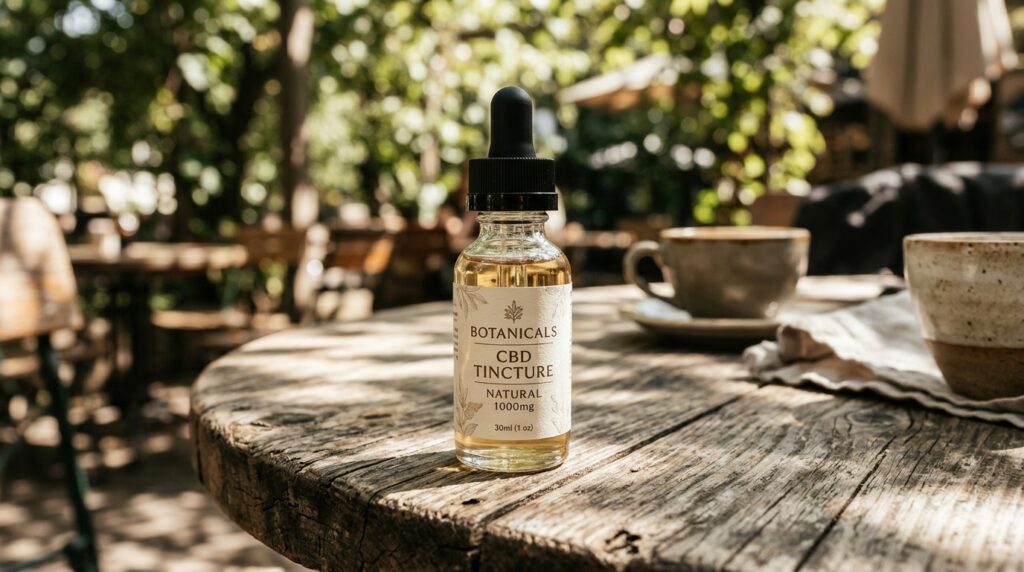
Choosing a product from a large wellness collection can feel complicated when every bottle seems to offer something different. Some labels highlight hemp extract, others emphasize cannabinoid content, and many use terms that are unfamiliar to first-time shoppers. Understanding these differences makes it easier to explore CBD Oil products with a clear idea of what to compare, which details deserve attention, and how to avoid purchasing based on packaging alone. A thoughtful shopping process begins with product information rather than promotional promises.
Start With a Clear Understanding of the Collection
A product collection may include several formulations, bottle sizes, concentrations, and ingredient combinations. Although these options can look similar at first, their details may differ considerably. Browsing becomes more productive when each product is evaluated according to a consistent set of criteria.
Before opening individual product pages, consider the following questions:
- Is the product intended for general adult use or another specific purpose?
- Does the label clearly identify cannabidiol as an ingredient?
- Is the amount of CBD stated for the entire container?
- Does the formula contain other cannabinoids or additional ingredients?
- Is independent laboratory testing available?
- Does the product information explain how it is made and stored?
These questions establish a practical starting point without assuming that a particular formulation is suitable for everyone.
A collection should make essential information easy to locate. Product names and attractive images can help shoppers navigate a website, but they cannot replace a complete ingredient list, concentration details, and clear product descriptions.
Learn the Difference Between Product Types
CBD products can be made using different hemp extract formulations. The terminology matters because it describes the composition of the extract rather than guaranteeing a particular result.
Full-spectrum extract generally contains CBD alongside other naturally occurring hemp compounds. Depending on the formulation, it may contain small amounts of THC, the cannabinoid associated with intoxication.
Broad-spectrum extract typically includes CBD and selected other hemp compounds, with THC removed or reduced according to the manufacturer’s process and testing results.
CBD isolate is a more purified form of cannabidiol. It is intended to separate CBD from most other hemp compounds.
These categories can help narrow a collection, but the label should always be checked for confirmation. Product descriptions may use similar wording while referring to different formulations. Laboratory results can provide additional information about the cannabinoids present in a particular batch.
The right category depends on individual preferences, applicable laws, product specifications, and advice from a qualified healthcare professional when relevant. No extract type should automatically be considered the best option for every shopper.
Compare Concentration Before Comparing Bottle Prices
One of the most useful details on a CBD product label is the total amount of cannabidiol in the container. This figure helps shoppers compare products that come in different bottle sizes.
For example, a bottle containing 1,000 milligrams of CBD is not directly comparable with a bottle containing 500 milligrams unless the price and volume are also considered. The first bottle contains twice the stated total CBD, but that alone does not establish its overall value or suitability.
For liquid products, the concentration per milliliter can be calculated by dividing the total CBD content by the liquid volume.
| Label information | Example A | Example B |
|---|---|---|
| Total CBD | 600 mg | 1,000 mg |
| Bottle volume | 30 mL | 30 mL |
| CBD per mL | 20 mg/mL | About 33.3 mg/mL |
These figures are examples for understanding labels, not dosing recommendations. A higher concentration does not necessarily make a product preferable. It simply means that the same volume contains more CBD according to the stated figures.
When comparing prices, calculate the price per milligram if the product details are reliable. Divide the price by the total stated CBD amount. This provides one useful comparison, although it does not account for ingredient quality, testing, packaging, or other factors that affect purchasing decisions.
Also check whether the displayed number refers to CBD alone, total hemp extract, or the combined amount of several cannabinoids. These figures are not interchangeable.
Examine Ingredients and Product Transparency
A well-presented product page should answer more than basic questions about price and size. Ingredient transparency helps shoppers understand what the bottle contains and identify components that may not match their preferences.
Read the full ingredient list instead of relying on phrases such as natural, pure, or premium. A formula may include carrier oils, flavoring agents, botanical ingredients, or other additives. Someone who avoids a particular ingredient should confirm its absence directly rather than assume it is excluded because the product is hemp-derived.
The carrier oil is another detail worth checking. Different formulations may use ingredients such as hemp seed oil, coconut-derived oils, or other suitable carriers. These ingredients can affect the product’s flavor, texture, and compatibility with personal dietary restrictions.
Look for Batch-Specific Laboratory Results
A certificate of analysis, commonly called a COA, is a laboratory report that can help verify selected product details. Ideally, the report corresponds to the batch being sold rather than an unrelated sample.
Depending on the testing panel, a COA may show:
- CBD and other measured cannabinoid concentrations.
- Whether THC was detected and the amount reported.
- Results for selected contaminants, such as certain pesticides, heavy metals, or residual solvents.
- The laboratory’s name, report date, and sample identification.
A COA has limits. It does not prove that a product treats a medical condition, guarantees that every bottle is identical, or establishes safety for every individual. Testing scope matters, and a report that checks cannabinoid content alone may not address contaminants.
If a product page mentions third-party testing but offers no way to identify the report or connect it to a batch, ask the seller for clarification before buying.
Evaluate the Shopping Experience, Not Just the Product
Browsing a collection should make product comparisons easier. Clear categories, readable labels, and complete descriptions reduce the need to guess what each item offers.
Useful collection filters may include concentration, formulation, bottle volume, price range, and flavor where applicable. Filters are convenient, but the resulting products still require individual review. A filter cannot confirm that a label is accurate or that a particular formula is appropriate for a person’s circumstances.
Pay attention to how the seller explains product limitations. Responsible descriptions distinguish ingredient information from health claims and avoid promising guaranteed results. Broad statements about treating anxiety, pain, sleep disorders, or other conditions should not be accepted as proof of effectiveness.
CBD research remains ongoing, and evidence varies by condition and formulation. In the United States, a prescription CBD medicine is approved for certain seizure disorders, but that approval does not extend automatically to retail CBD oils. Product regulations also vary by location.
Check Packaging and Storage Information
Packaging can influence convenience and help protect the product from environmental exposure. Review whether the container is sealed, the label includes a lot number or other identification, and storage instructions are available.
Light, heat, and air may affect the quality of some formulations over time. Follow the manufacturer’s storage guidance and check the expiration or best-before information where provided. Avoid purchasing products with damaged seals, unclear labeling, or signs of improper storage.
If the container includes a dropper, the markings should be readable. However, a dropper measurement does not establish a medically appropriate amount for a particular person. Concentration, health circumstances, and professional guidance remain separate considerations.
Build a Shortlist That Fits Your Priorities
Instead of choosing the first attractive product, create a shortlist of two or three options. This keeps the comparison manageable and helps prevent marketing language from dominating the decision.
Use a simple evaluation process:
- Confirm the product type. Identify whether the formula uses full-spectrum extract, broad-spectrum extract, or CBD isolate.
- Check the actual CBD content. Record the total amount and liquid volume, where applicable.
- Review the ingredients. Look for allergens, unnecessary additives, or components that conflict with personal preferences.
- Verify testing information. Check whether a relevant, understandable laboratory report is available.
- Compare total cost. Consider product quantity and cost per milligram without treating either as a measure of effectiveness.
- Review the seller’s policies. Check shipping restrictions, returns, customer support, and product authenticity information.
A comparison checklist also makes it easier to revisit a collection later. Product availability and prices can change, while the criteria used to evaluate quality remain useful.
Important Considerations Before Purchasing CBD Oil
CBD is not appropriate for every person or situation. It can cause side effects, including sleepiness, digestive discomfort, and changes in appetite. It may also interact with prescription medicines or other substances. These risks deserve attention even when a product is sold as a natural wellness item.
Anyone who takes medication or has an existing health condition should speak with a qualified healthcare professional before using CBD. This is particularly important for medicines that can be affected by changes in how the liver processes substances.
People who are pregnant or breastfeeding should avoid CBD unless specifically advised otherwise by an appropriate healthcare professional. Safety information is limited, and products may contain ingredients or cannabinoid amounts that differ from their labels.
Check local rules before ordering. Laws governing hemp-derived CBD, THC content, product claims, and shipping vary across jurisdictions. A product available in one market may not be permitted in another.
Finally, do not rely on online calculators or general product instructions as a substitute for individualized medical advice. Selecting a concentration is a purchasing decision, while determining whether CBD is appropriate for a particular person is a separate health question.
Final Thoughts
Browsing a CBD collection is easier when product types, concentration, ingredients, testing, and total cost are evaluated together. Clear documentation offers more useful information than bold packaging claims or promises of guaranteed results. Compare a small shortlist, confirm local requirements, and seek professional advice when health circumstances or medications are involved. A careful approach supports a more informed purchasing decision without assuming that every CBD product is suitable for everyone.